Excavations Completed with Lasting Stability
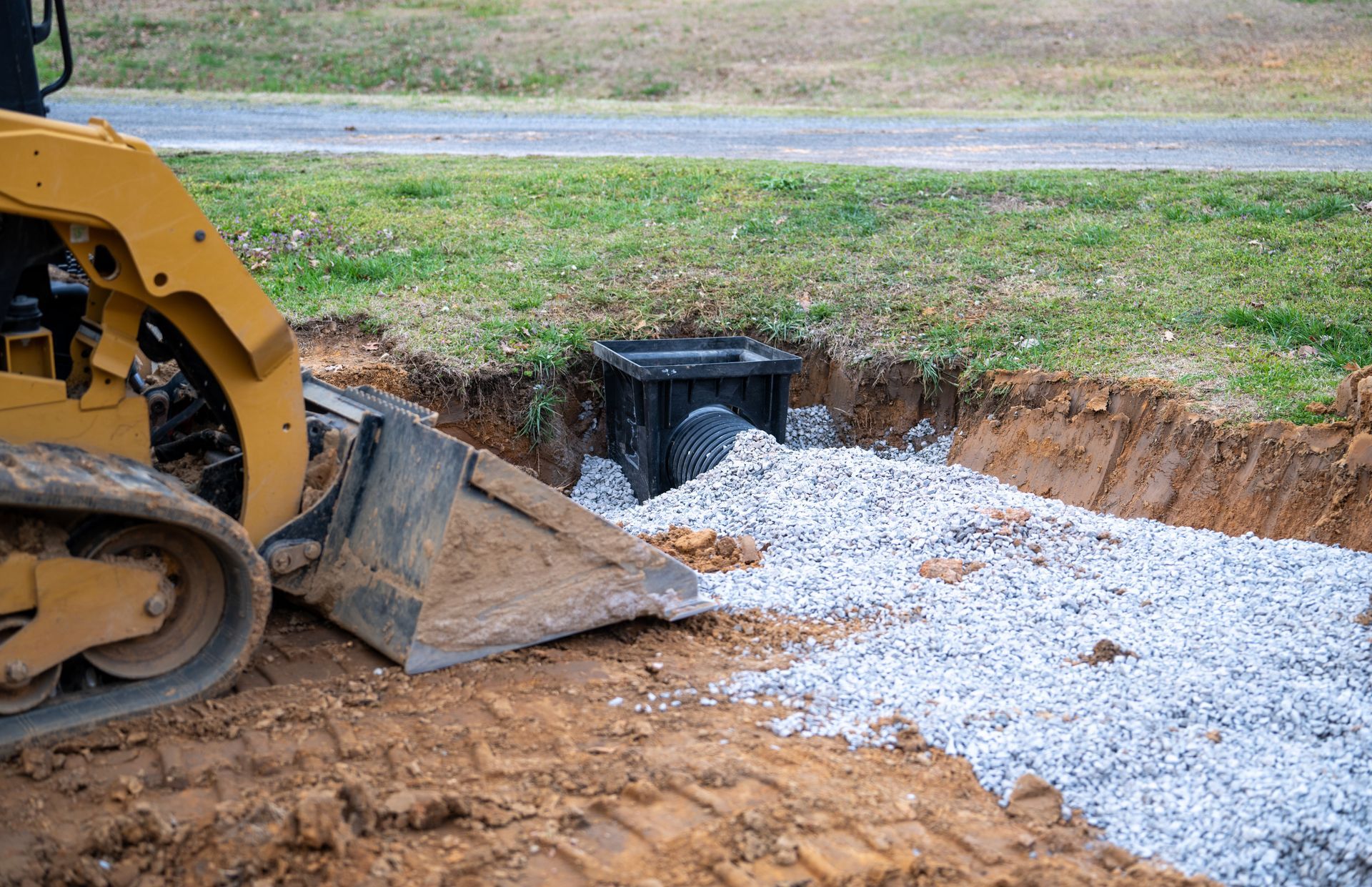
Backfilling in Beaufort for trenches, foundations, and excavated areas requiring proper compaction and material placement
Excavation creates voids that must be filled correctly if the ground is going to support what comes next. Trenches left improperly backfilled settle over time and create depressions, foundation perimeters filled without compaction allow water to channel toward basements, and utility lines buried in loose soil shift under load. Kelly Brothers Excavation & Land Services provides backfilling services in Beaufort for projects where excavation and utility installation have created voids that need stable, properly compacted fill. The work ensures that areas prepared for construction, landscaping, or final grading perform as intended rather than settling unpredictably after completion.
Backfilling uses suitable materials and compaction techniques matched to what the finished area will support, whether that's vehicle traffic, building loads, or landscape features. The process fills excavated spaces in layers rather than all at once, compacting each lift to specified density before adding the next. In Beaufort's clay soils, moisture content during compaction affects how well material consolidates, with overly wet or dry conditions both reducing achievable density.
Contact us to discuss backfilling requirements for your excavation, utility installation, or foundation project and ensure finished areas are prepared correctly.
Why Backfilling Technique Affects Site Performance
Backfilling begins after utilities are installed or structural work is complete, using material that meets project specifications for gradation and composition. Fill is placed in lifts typically six to twelve inches thick, with each layer compacted using equipment appropriate to the space and required density. Compaction effort increases as you approach areas that will support structures or paving, while landscape areas may require less intensive compaction depending on intended use. The process continues until the backfilled area reaches the grade required for drainage, landscaping, or construction.
Once backfilling is complete, the excavated area no longer appears as a trench or depression, the ground surface is restored to match surrounding elevations or the project's finish grade, and the fill remains stable rather than settling over the following weeks and months. You notice that areas over buried utilities don't develop sinking spots, foundation perimeters drain away from the building rather than channeling water toward it, and surfaces built over backfilled zones perform like undisturbed ground. Proper backfill supports drainage performance by maintaining designed slopes and preventing low spots where water collects.
The service includes material placement, compaction to support the area's intended use, and grading backfilled zones to match project elevations. It does not include supplying specialized structural fill beyond what's excavated on-site unless coordinated in advance, nor does it include final surfacing like sod, gravel, or pavement. Factors affecting backfill approach include the depth and width of the excavation, whether utilities or structures occupy the space, soil moisture at the time of compaction, and required density for the finished use.
What Property Owners Usually Ask
Questions about backfilling typically focus on material requirements, compaction methods, and how the process prevents future settling.
What material is used for backfilling trenches and excavations?
Excavated soil is reused for backfill when it's free of debris and suitable for compaction. If excavated material is unsuitable, clean fill or engineered material is brought in to meet compaction and drainage requirements for the specific application.
How does compaction prevent settling after backfilling?
Compacting fill in layers removes air pockets and consolidates soil particles, creating density that resists compression under load. Uncompacted fill settles as traffic, moisture, and gravity gradually compress the material, creating depressions that weren't present when backfilling finished.
When does backfilling happen during construction projects?
Backfilling occurs after utilities are installed and inspected, after foundation walls cure sufficiently to resist lateral pressure, and before final grading or surfacing begins. Timing ensures buried work is complete and protected while leaving the site ready for the next construction phase.
What affects backfill density requirements?
Areas supporting structures, pavement, or heavy traffic require higher compaction than landscape zones. Foundation perimeters need density that prevents settling that could crack slabs or pull away from walls, while utility trenches under driveways must support vehicle loads without creating ruts.
How does Beaufort's soil moisture affect backfill compaction?
Clay soils compact best at optimal moisture content, which varies with soil type. Material that's too wet smears rather than compacting, while overly dry soil doesn't achieve target density. Moisture conditioning may be needed depending on weather conditions when backfilling occurs.
Kelly Brothers Excavation & Land Services completes excavation projects with backfilling that supports long-term site stability, using compaction techniques suited to your project's requirements. Schedule a consultation to review backfilling needs for your trenching, foundation, or site development work and ensure proper preparation for finished surfaces.