Access Roads Built to Handle Water Flow
Culvert Installation in Beaufort for driveways and access roads vulnerable to washouts and erosion
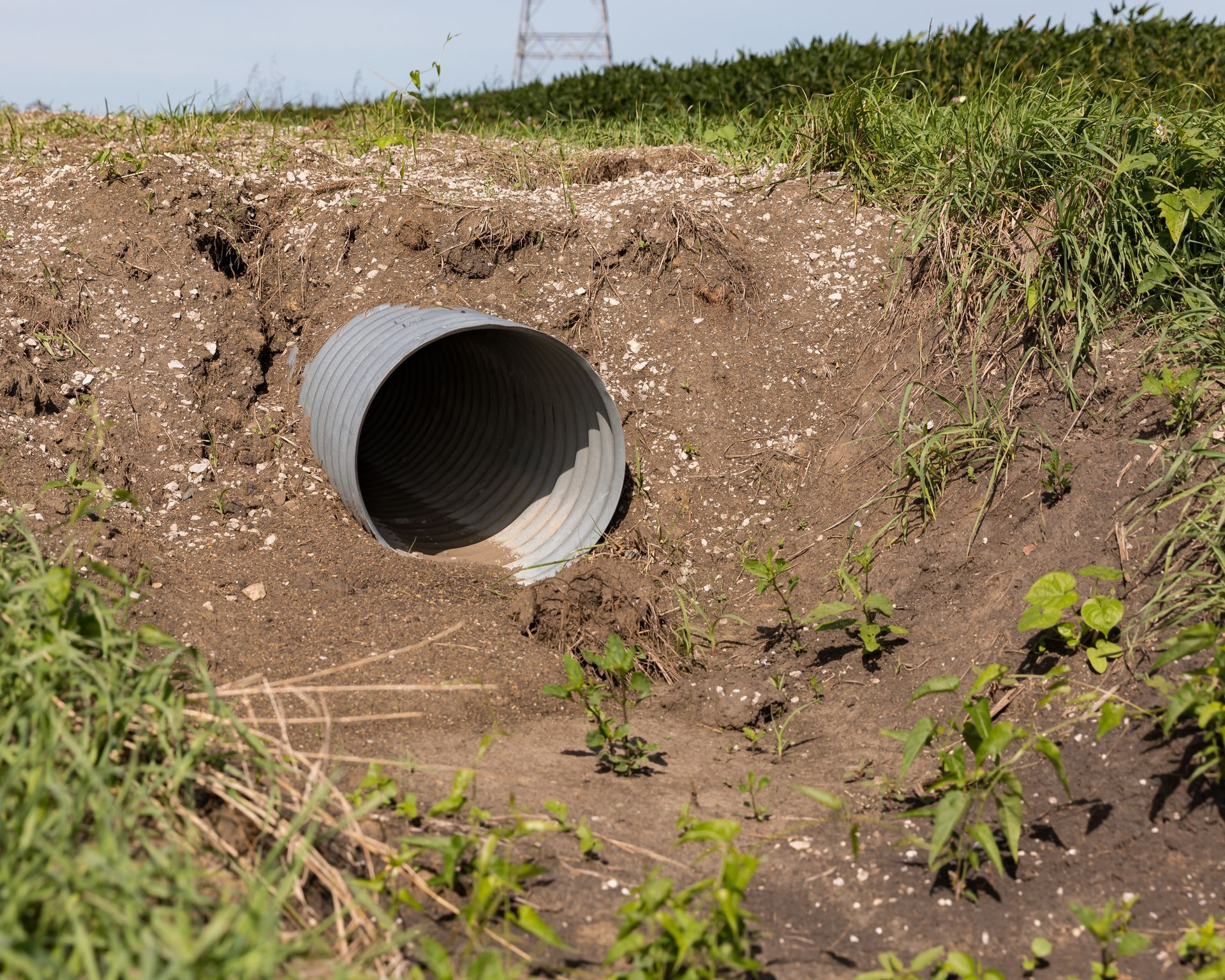
Kelly Brothers Excavation & Land Services installs culverts beneath driveways, roads, and access points where water flow threatens long-term usability. You need this service when seasonal rain creates channels across your access route, when runoff pools instead of passing underneath, or when erosion begins carving ruts that make passage difficult. Proper culvert placement redirects water beneath the surface rather than over it, protecting the road structure from repeated washout cycles.
The installation process evaluates how water moves across your property during rain events, determines the appropriate diameter and material to handle peak flow, and positions the culvert to align with natural drainage patterns. In Beaufort's clay-heavy soil and subtropical climate, water management infrastructure must account for heavy seasonal rainfall and the soil's tendency to channel flow rather than absorb it. Culvert placement works alongside grading and drainage improvements to create systems that function together rather than treating surface water as an isolated problem.
Schedule a property evaluation to identify where water crosses your access routes and what installation approach will prevent future erosion.
What Proper Culvert Placement Accomplishes
Culvert installation begins with observing how water behaves on your property during and after rainfall, noting where channels form and how much volume moves through those paths. The site evaluation determines culvert diameter based on the drainage area feeding that crossing point, selects materials suited to the expected flow conditions, and positions the pipe to maintain natural water movement without creating backups or scour points. Residential, agricultural, and development applications each require different considerations for depth, angle, and connection to existing drainage features.
After installation, you notice that rainwater passes beneath your driveway or access road instead of running across it, tire ruts and washout channels stop forming in the same spots, and the road surface remains intact through storms that previously caused damage. The culvert maintains consistent access during wet weather because water follows the intended path rather than choosing its own route across compacted surfaces. Kelly Brothers Excavation & Land Services coordinates culvert work with grading adjustments to ensure water enters and exits the pipe at grades that prevent erosion at either end.
Installation scope includes excavation to the required depth, bedding material to support the culvert, placement at the correct slope for gravity flow, and backfill compaction that prevents settling under vehicle weight. The service does not include paving or final surfacing over the culvert, but it prepares the crossing for whatever surface treatment you plan. Factors affecting the approach include existing elevation differences, the distance water must travel underground, and whether the culvert connects to ditches, swales, or other drainage structures on either end.
Questions Before Installing Culverts
Property owners in Beaufort often ask how culvert installation fits into broader site drainage plans and what determines the right size and placement for their access roads.
What determines the right culvert size for a driveway crossing?
The drainage area feeding that crossing point determines flow volume, which dictates minimum diameter. A culvert too small creates backups during heavy rain, while proper sizing allows peak flow to pass without ponding or overtopping the road surface.
How does culvert installation prevent washouts?
The culvert redirects water beneath the road surface rather than allowing it to flow across, which eliminates the scouring action that carves ruts and undermines gravel or pavement. Water exits downstream without eroding the access route.
When should culvert work happen relative to other site improvements?
Culvert installation typically occurs during or immediately after rough grading, before final surfacing. This sequence ensures the culvert integrates with the overall drainage plan and that the road surface is built to the correct elevation over the pipe.
What materials work best for culverts in Beaufort's soil conditions?
Corrugated metal and high-density polyethylene pipes both handle the region's clay soils and seasonal water flow, with material choice depending on expected load, lifespan requirements, and whether the culvert will support vehicle traffic or only manage drainage.
How does culvert placement affect long-term maintenance?
Proper slope and alignment reduce sediment buildup inside the pipe, while adequate diameter prevents clogging from debris. Culverts installed at the wrong angle or undersized for their drainage area require frequent cleaning to maintain flow.
Kelly Brothers Excavation & Land Services evaluates your property's water movement patterns and access requirements to determine culvert specifications that prevent erosion and support reliable passage. Request a consultation to review drainage conditions and discuss installation options for your access roads or development project.